


National Scrollathon



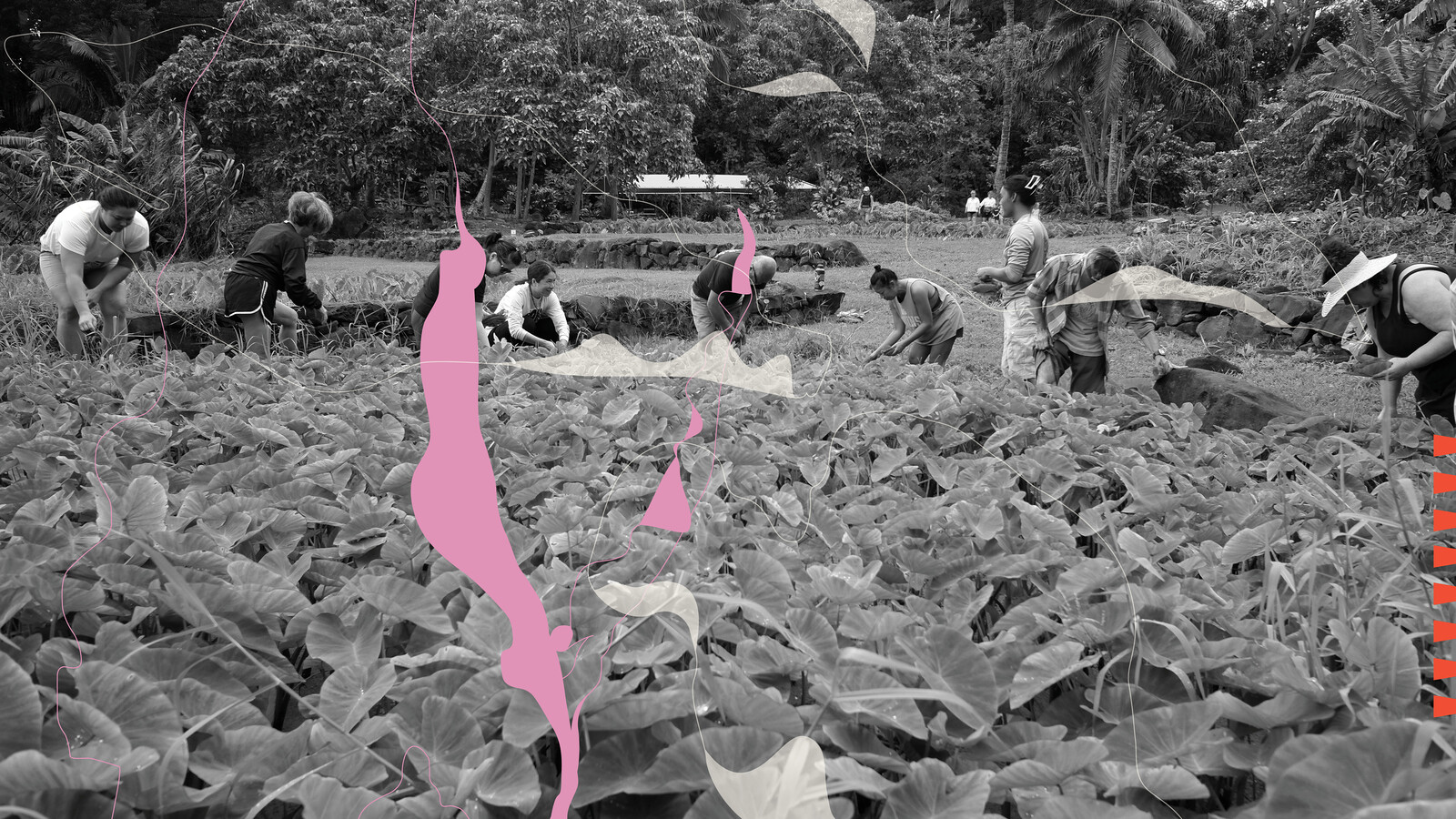
In contrast to ruangrupa’s challenge to basic capitalist imperatives at Documenta 15, the international exhibition of the 60th Venice Biennale failed to match an inclusive selection of artists with a comparable reimagination of the format in which they are exhibited. By importing the Global South to Venice on terms set by the Global North, it leaves the task of a radical intellectual response to the overarching theme of “Foreigners Everywhere” to the national pavilions.

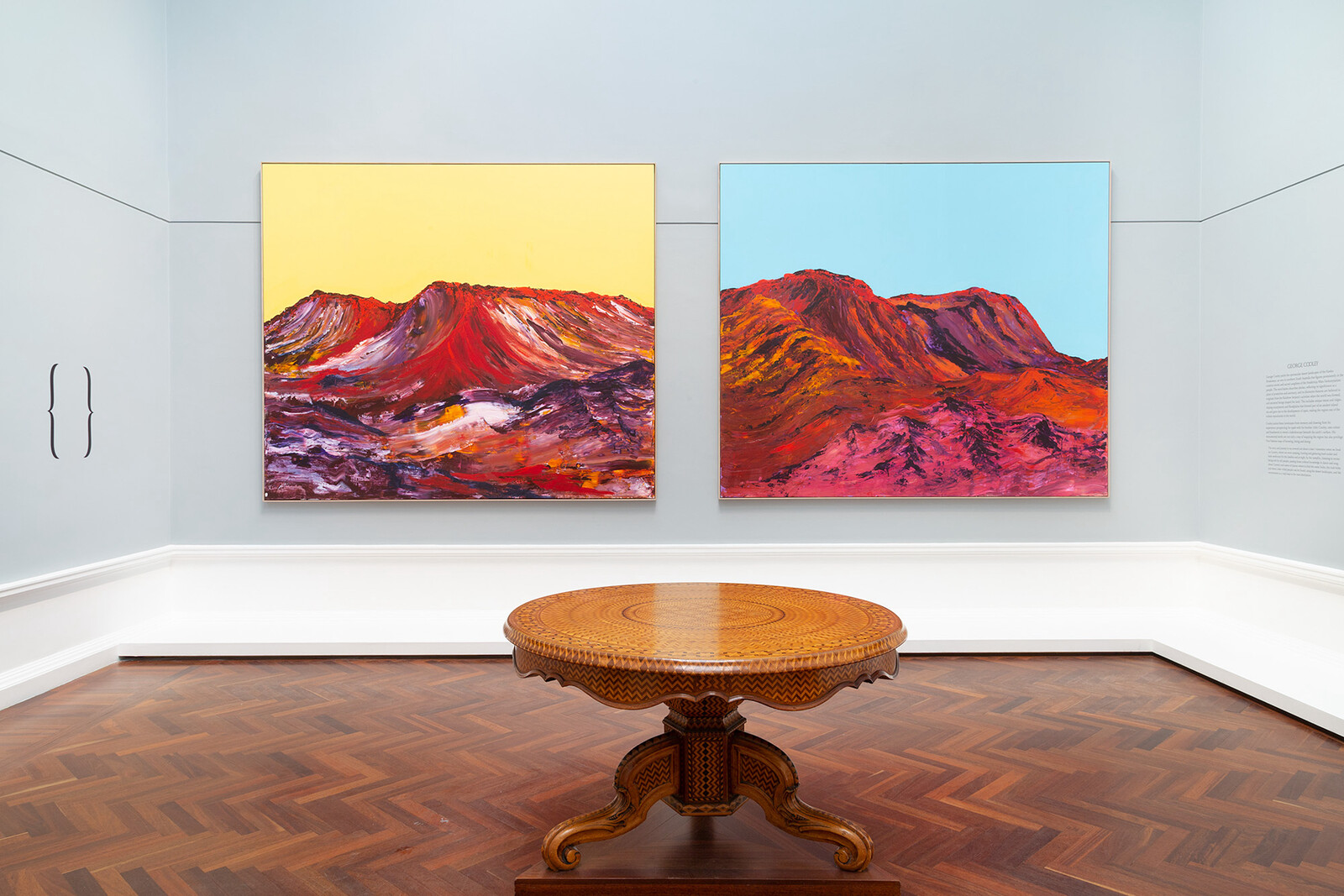
The exhibition is far from polemical: its emphasis lies squarely on artistic practice and the interior lives of artists. Through unexpected choices and combinations, in a presentation that spans two levels of the gallery and incorporates a number of collection interventions and public space projects, curator José Da Silva brings together works from vastly disparate traditions under the unifying thematic “Inner Sanctum.”
First of all, power to the students. Images of armed police storming campuses in order to evict peaceful demonstrators on the invitation of administrators whose primary responsibility is the protection of academic freedoms hardly need parsing for meaning here, except to point out that these are merely the most visible expressions of a wider crackdown. But a couple of details might warrant the closer kind of attention that publications devoted to art criticism might usefully provide.
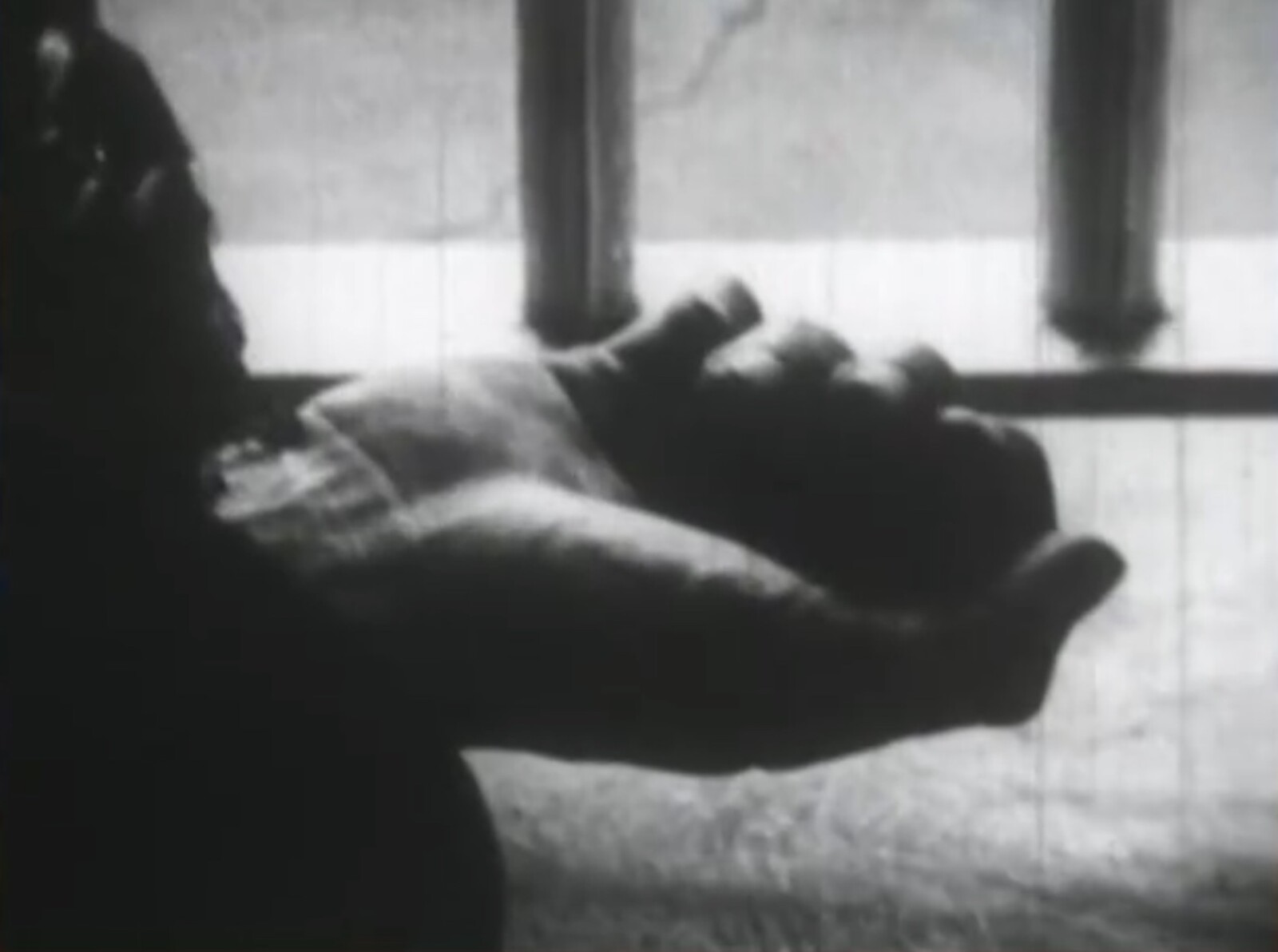
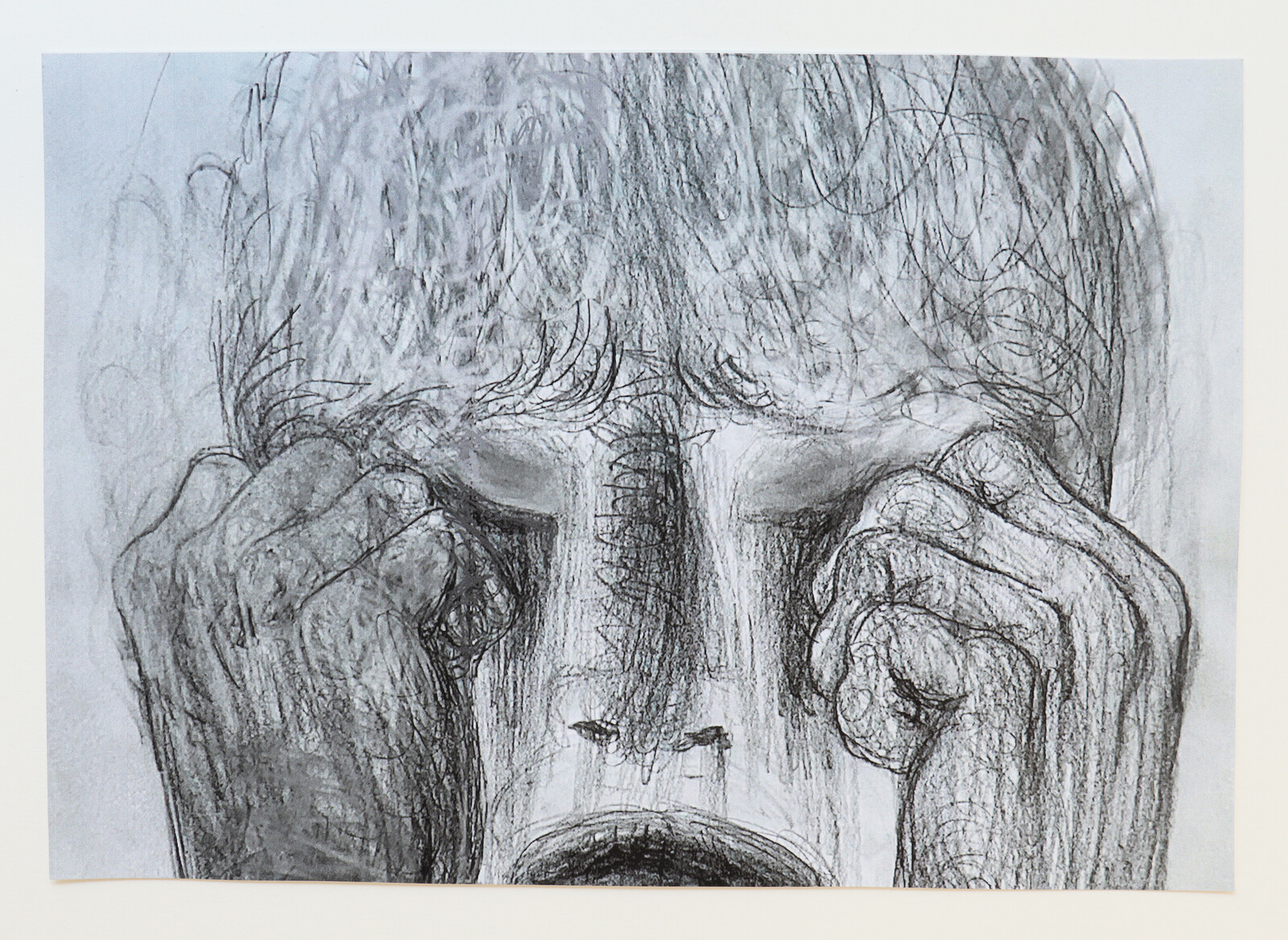
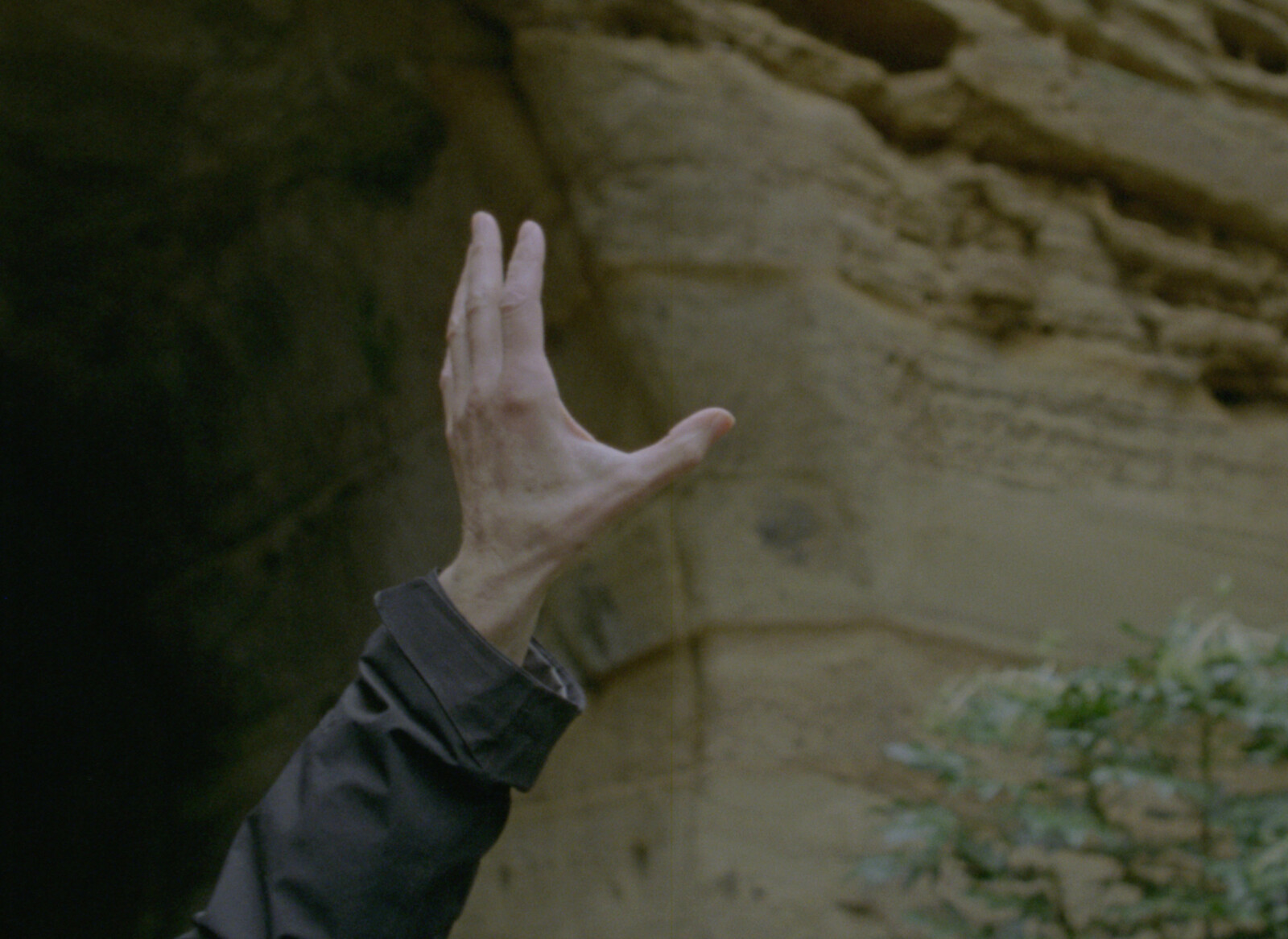
Far from being exercises in ekphrasis, many of these stories depict self-contained worlds—from a fairy tale queen giving birth to a beastlike son in Marina Warner’s “Blindsight” to an extinct civilization of children depicted in Chloe Aridjis’s “Codex”—that no more than hint at Rivers’ cinematic universe. What appears as a compendium of standalone fables, essays, and poems emerges as a complex portrait of Rivers, formed around the shape of his absence.
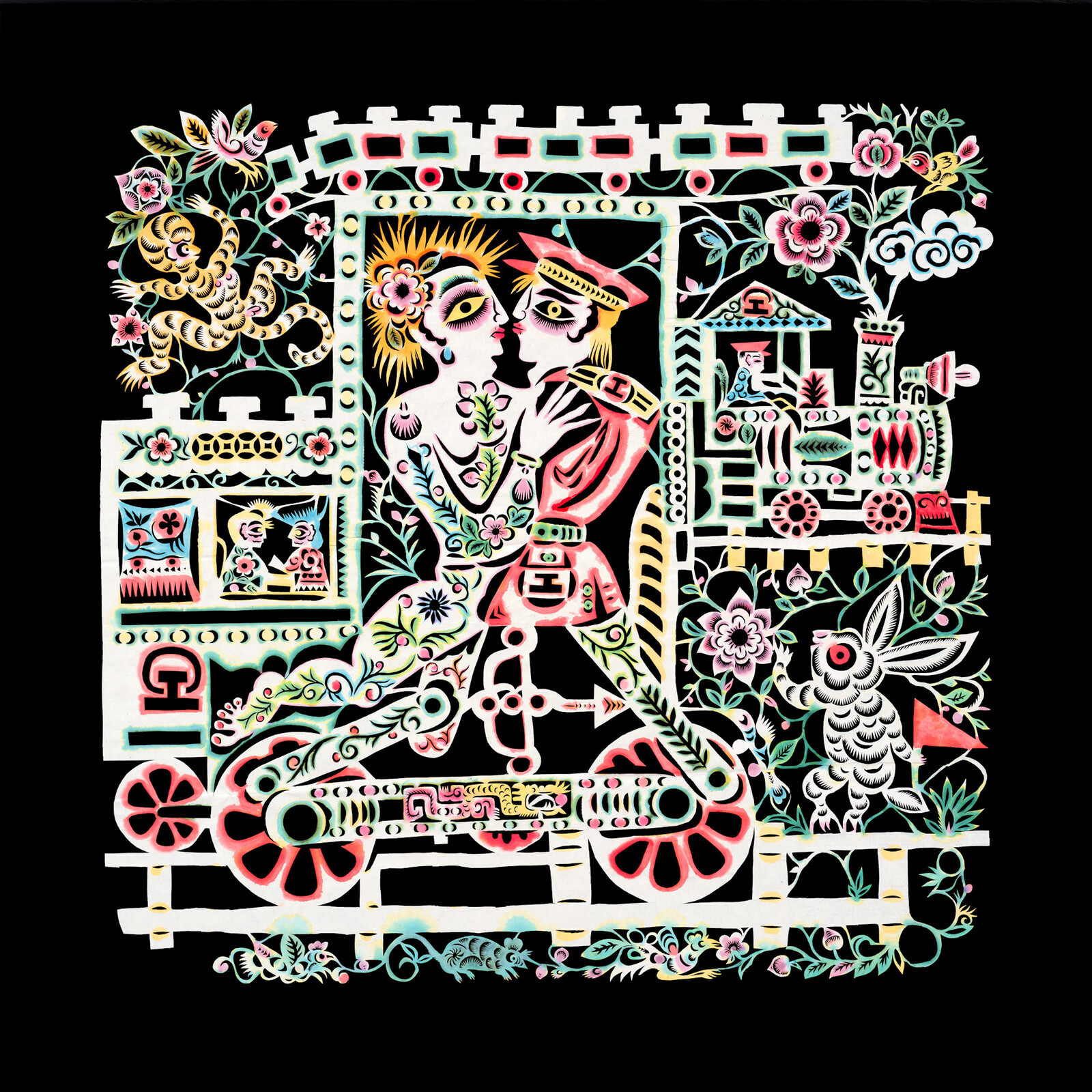
Train (1985–86) recounts one of Xiyadie’s first sexual encounters with a train attendant while en route to Xi’an. Mounted on black velvet, a large, square image plane is defined by a central train carriage in which an arched-back Xiyadie, whose naked body is covered with flowers on leafy vines, falls into the arms of his uniformed paramour.
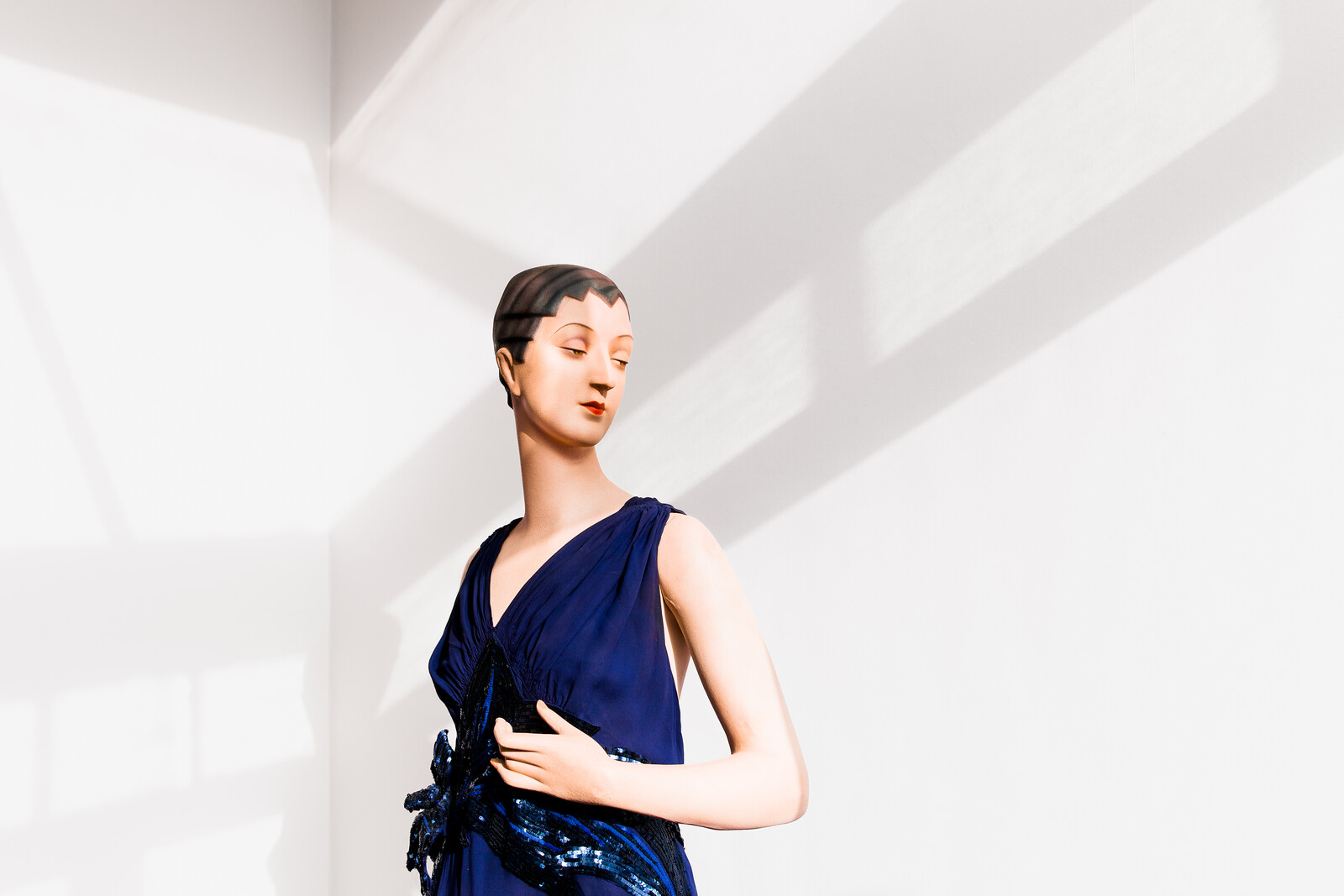
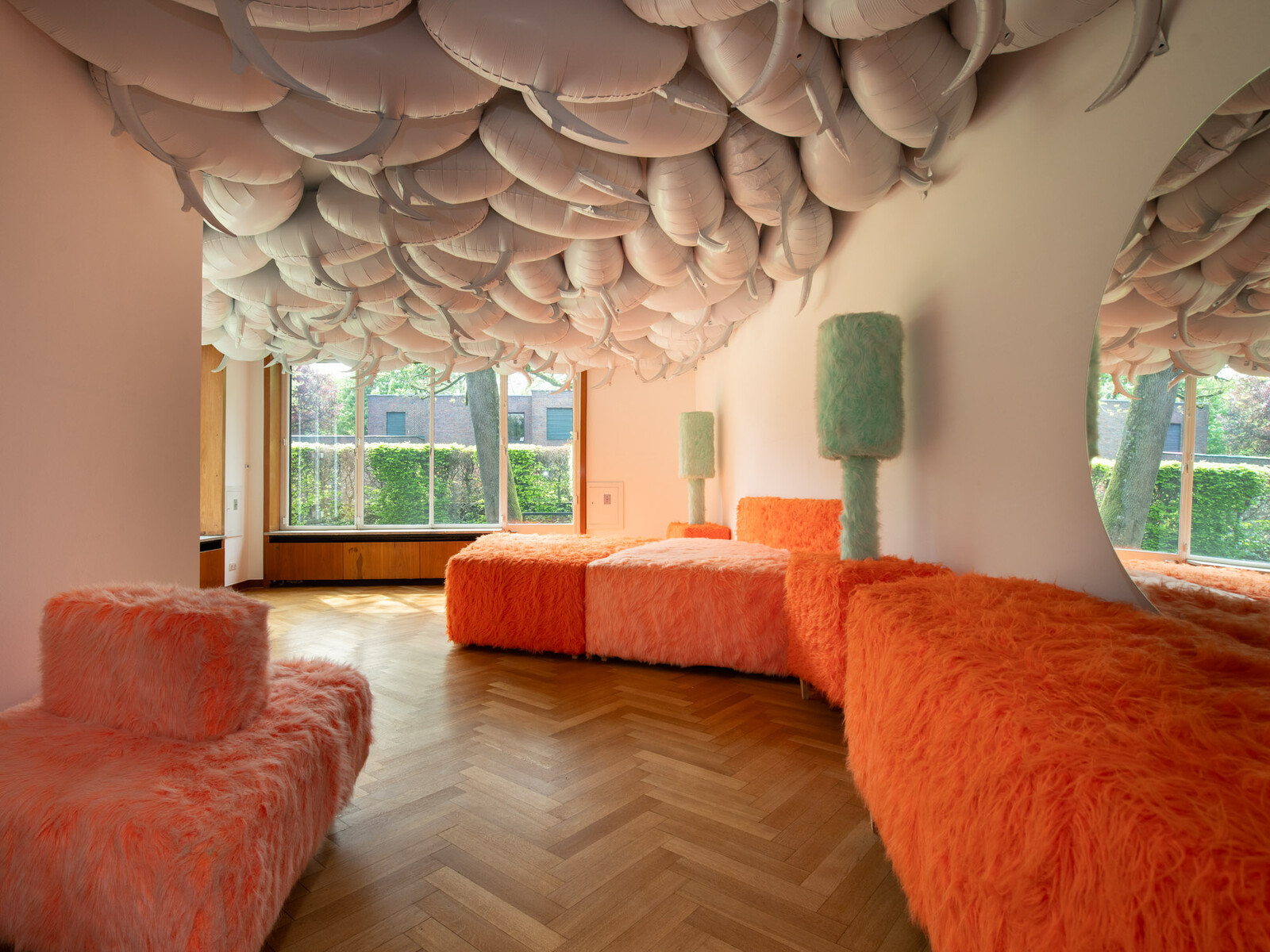
Rhythm gives form to Grace Wales Bonner’s contribution to a series of exhibitions showcasing the “creative response of artists to the works of their peers and predecessors.” Not in the sense of a soundtrack or score, but rather in the British fashion designer’s focus on the different ways in which “sound, movement, performance, and style in the African diaspora” is translated into the works in MoMA’s collection.
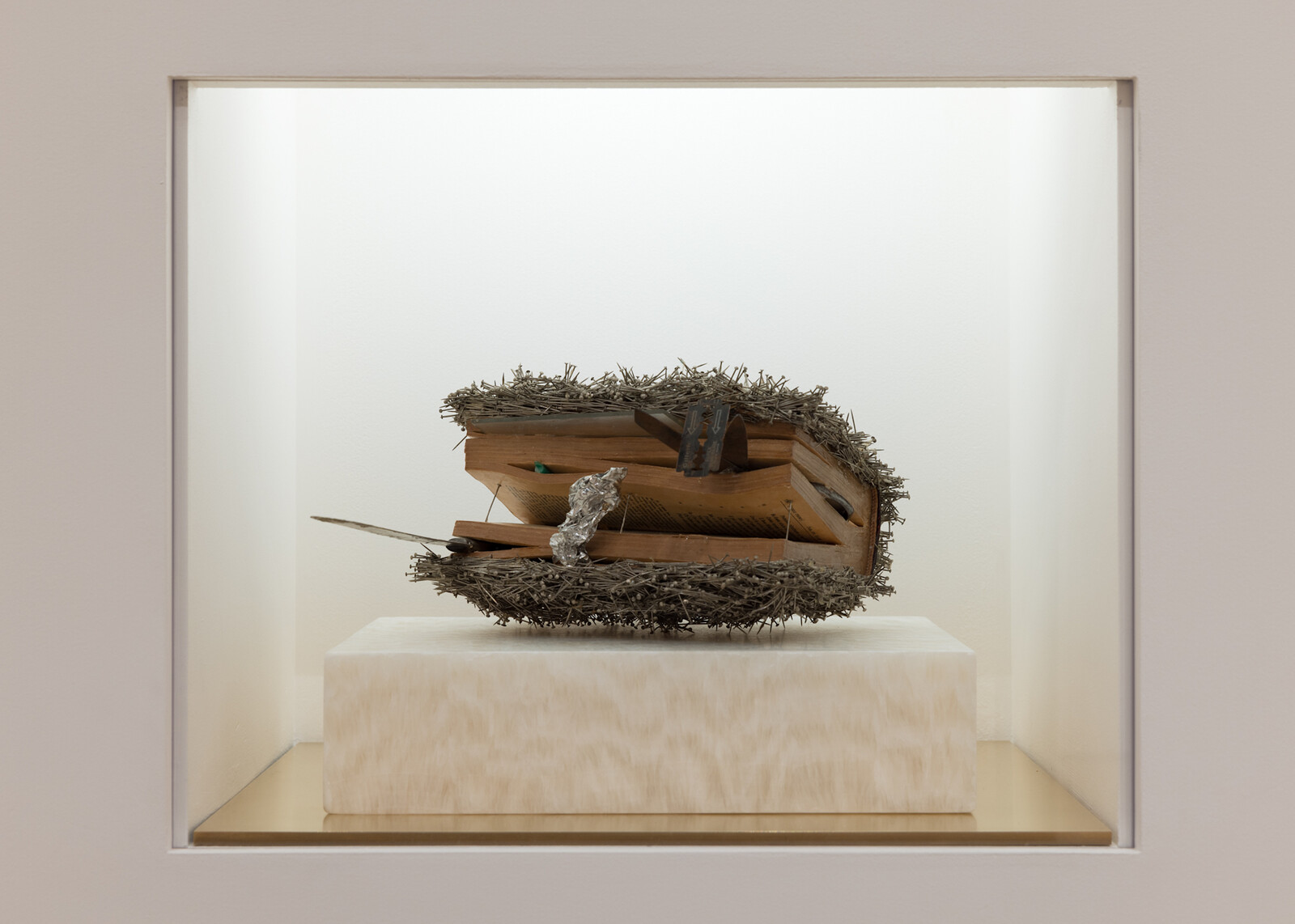
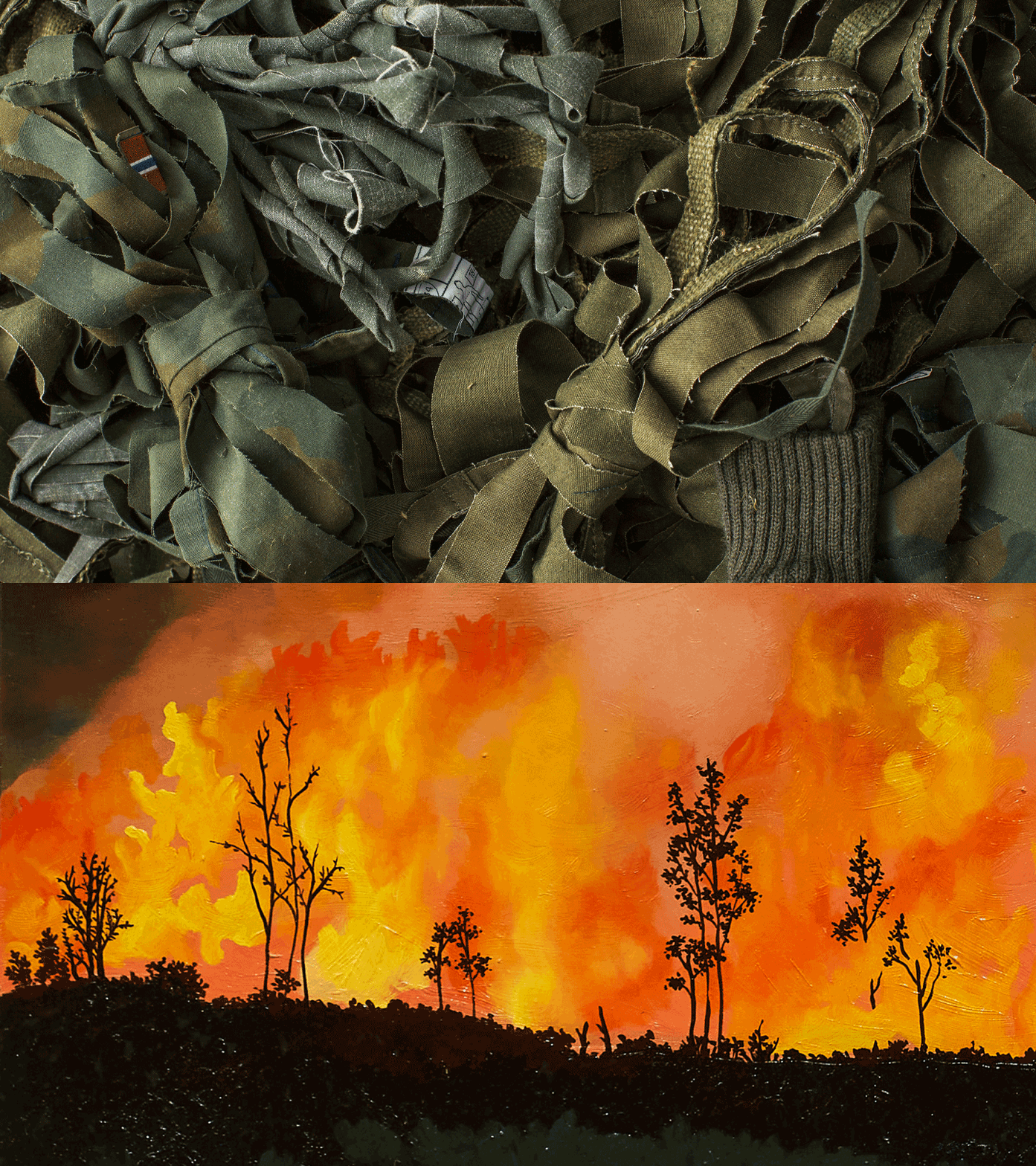
American Ledger No. 1 (Army Blanket) (2020), a graphic history of the United States in the form of an army blanket, is embossed with icons of waves, flames, police whistles, wood-chopping axes, and a fractured city skyline. Chacon’s main interests are all there: notation in the expanded field, the interplay of various mediums, the embeddedness of sound and landscape, and the malleability of map and territory.
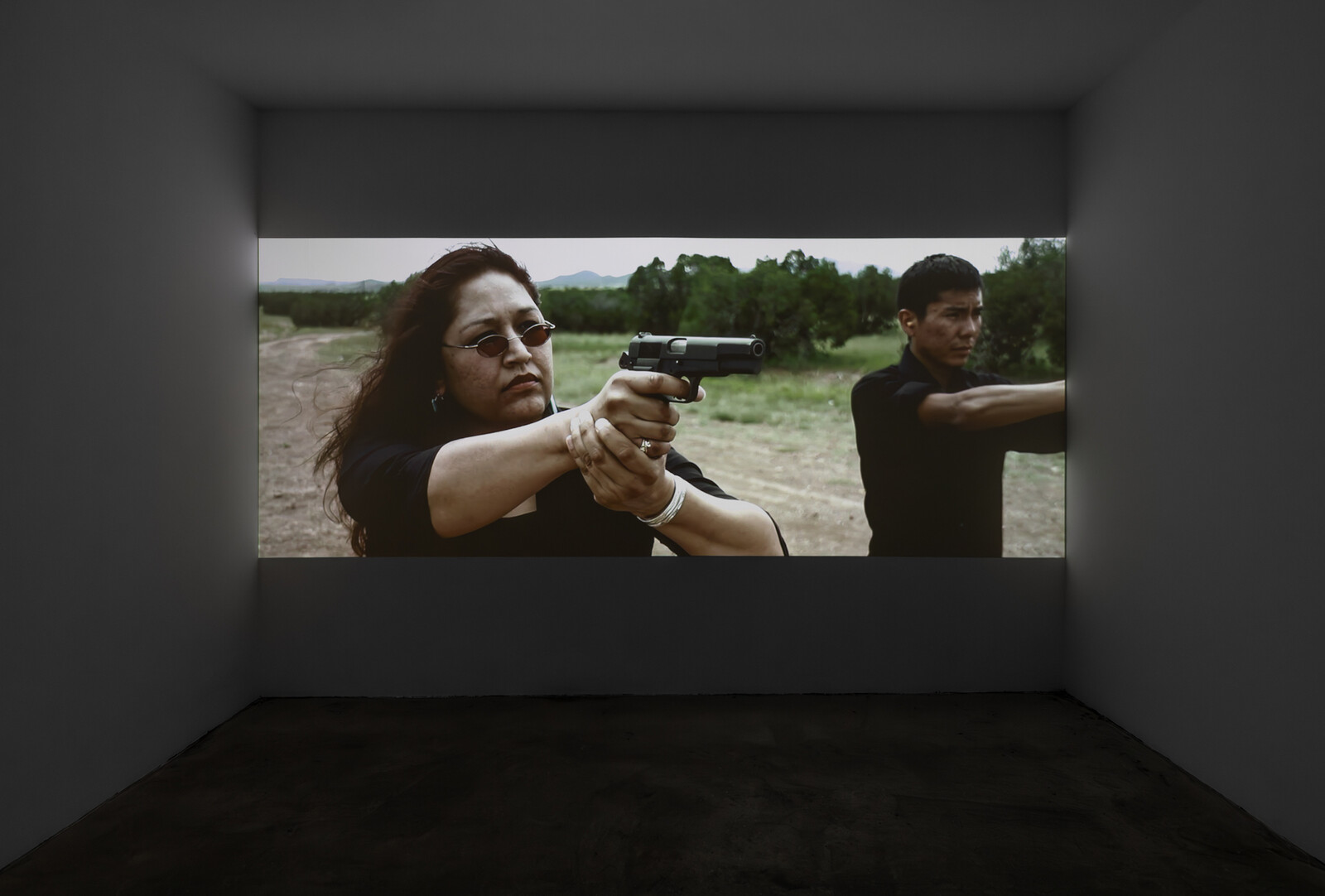
I entered by the wrong door, meaning that I saw this chronological survey in reverse order. By the time I came to view the works with which the exhibition is supposed to open—the artist’s earliest paintings, from the 1970s, show sunny scenes of life in de Paula’s home state of Mato Grosso—I was aware of the dark clouds that would gather over his vivid later canvases and Arte Popular-inspired sculptures.
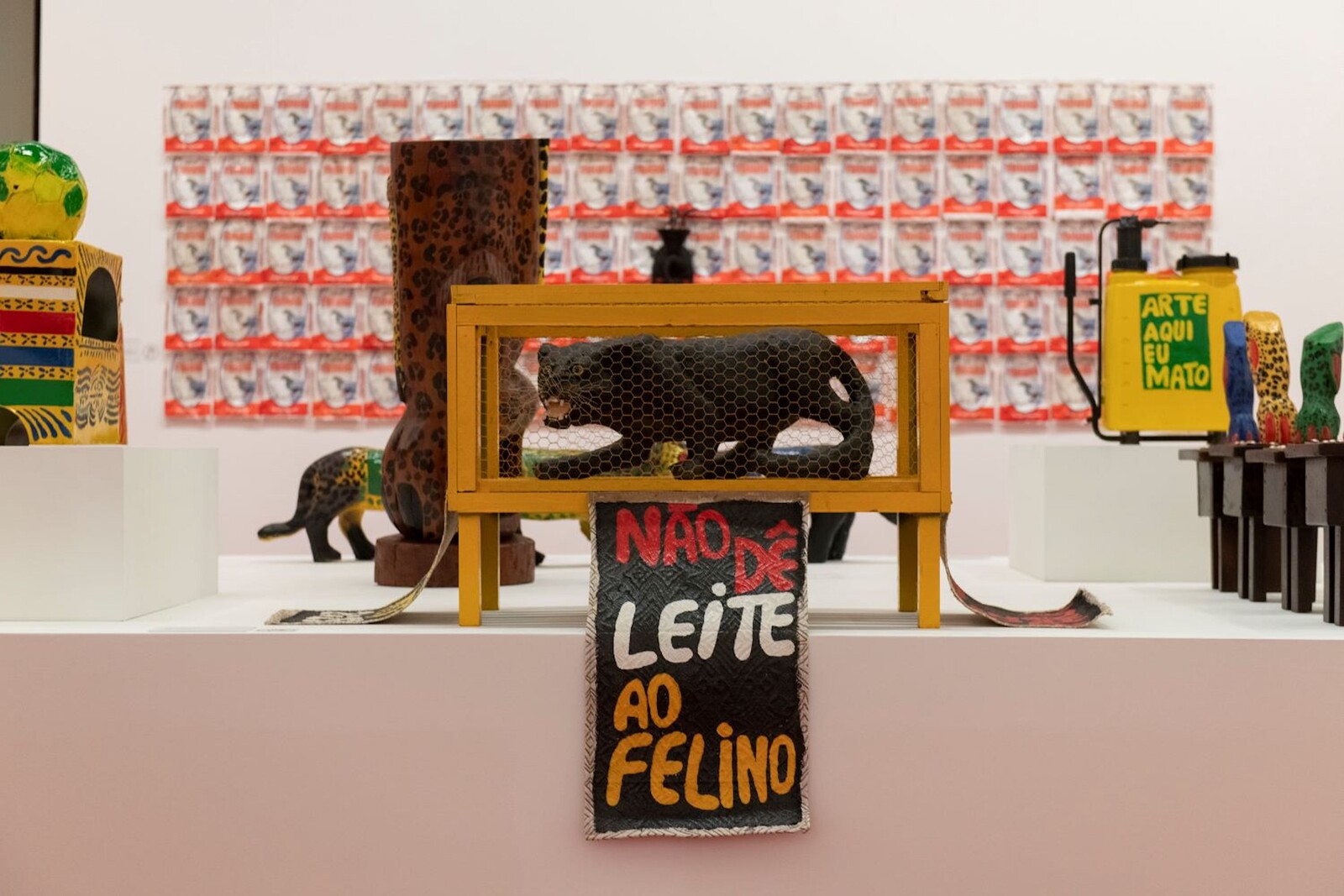
While the adoption of a bilingual sign for the exhibition’s motto suggests that its curator, Adriano Pedrosa, will embrace the creative miscomprehensions that are commensurate with translation, the reality is that everything will be explained to you. The frustration of this exhibition is not that of the exile who, in a strange land, is unable to make sense of their surroundings but rather that of the tourist who is prevented from straying beyond the Potemkin village in which everything has been arranged to illustrate a point.
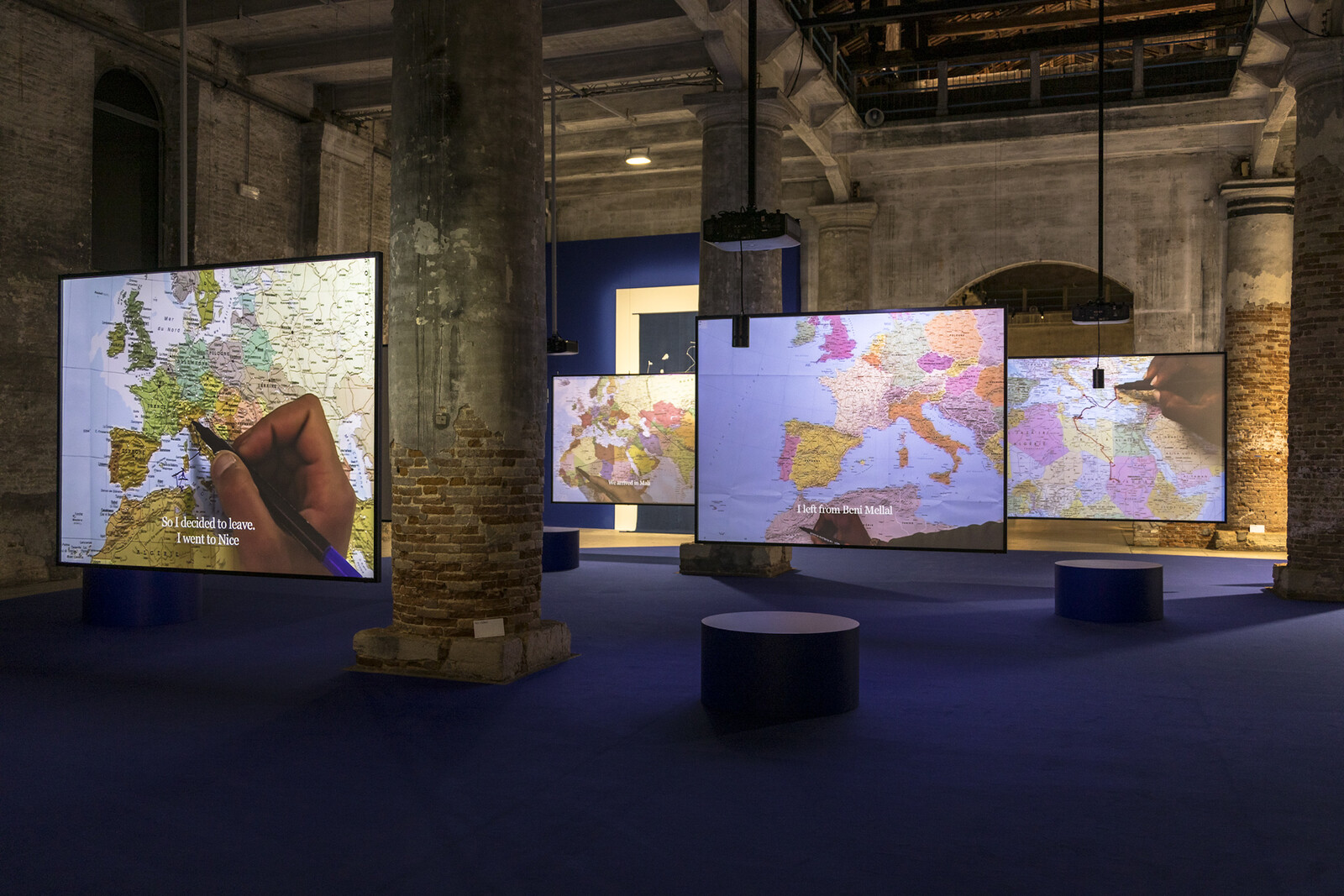



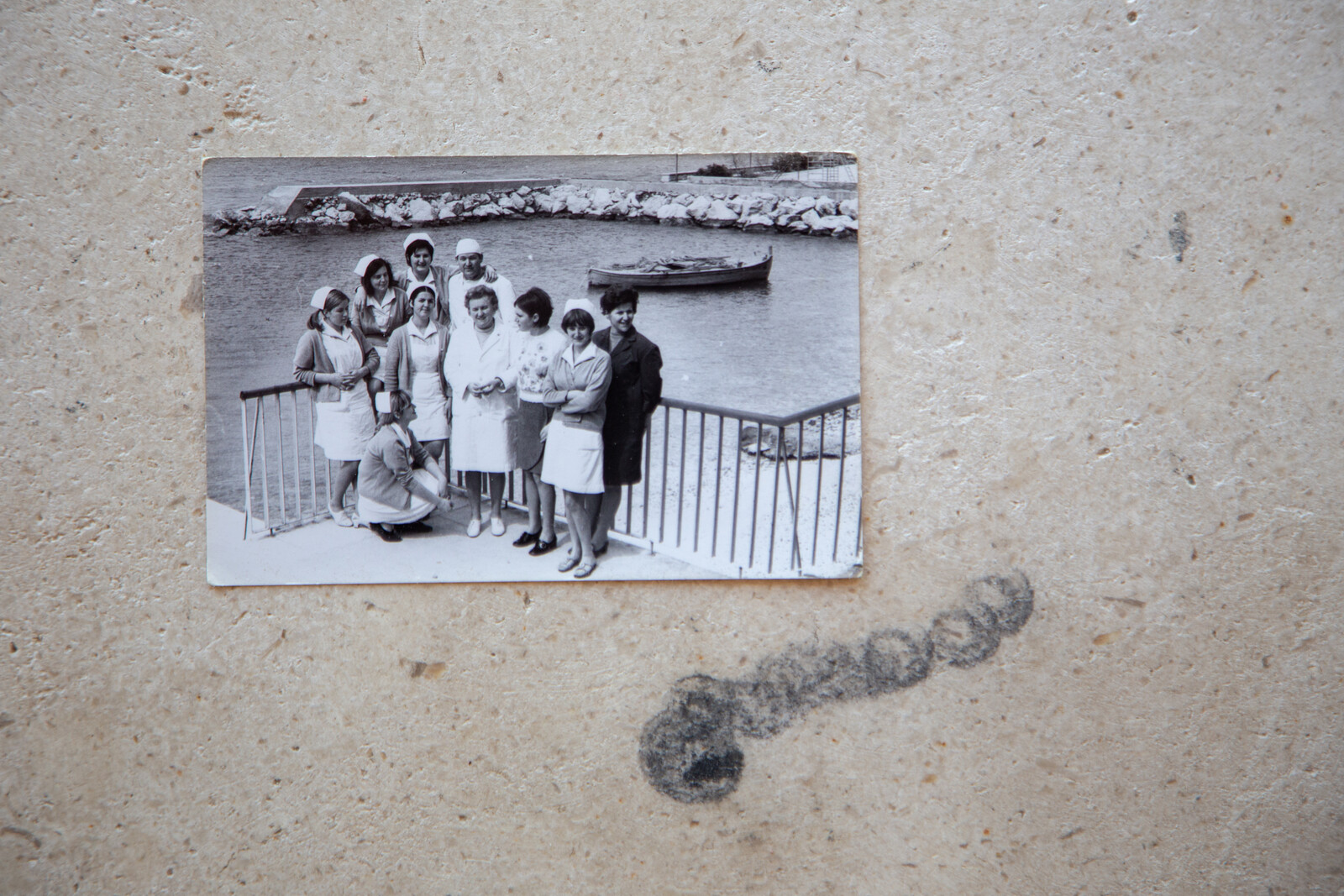
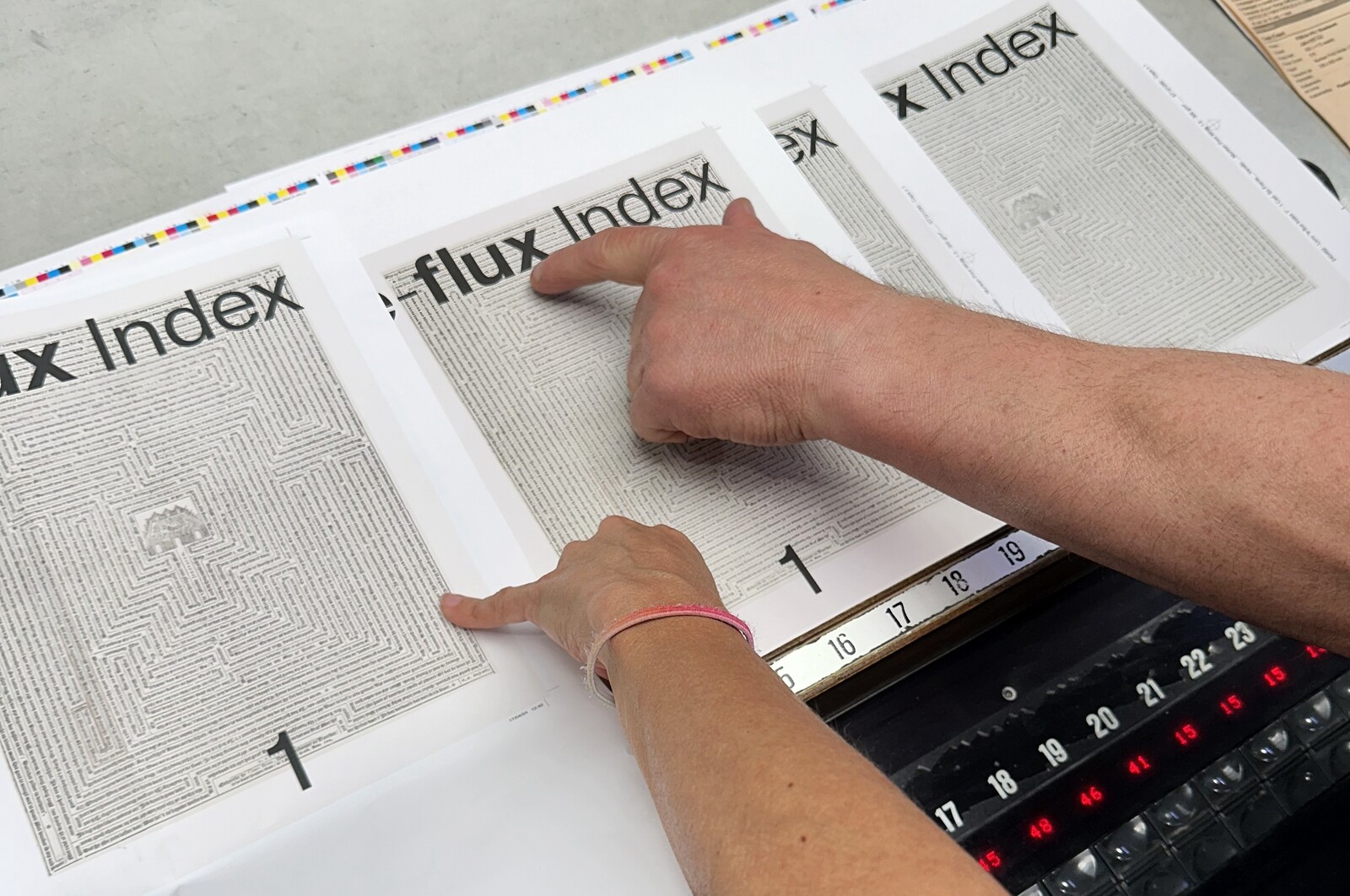
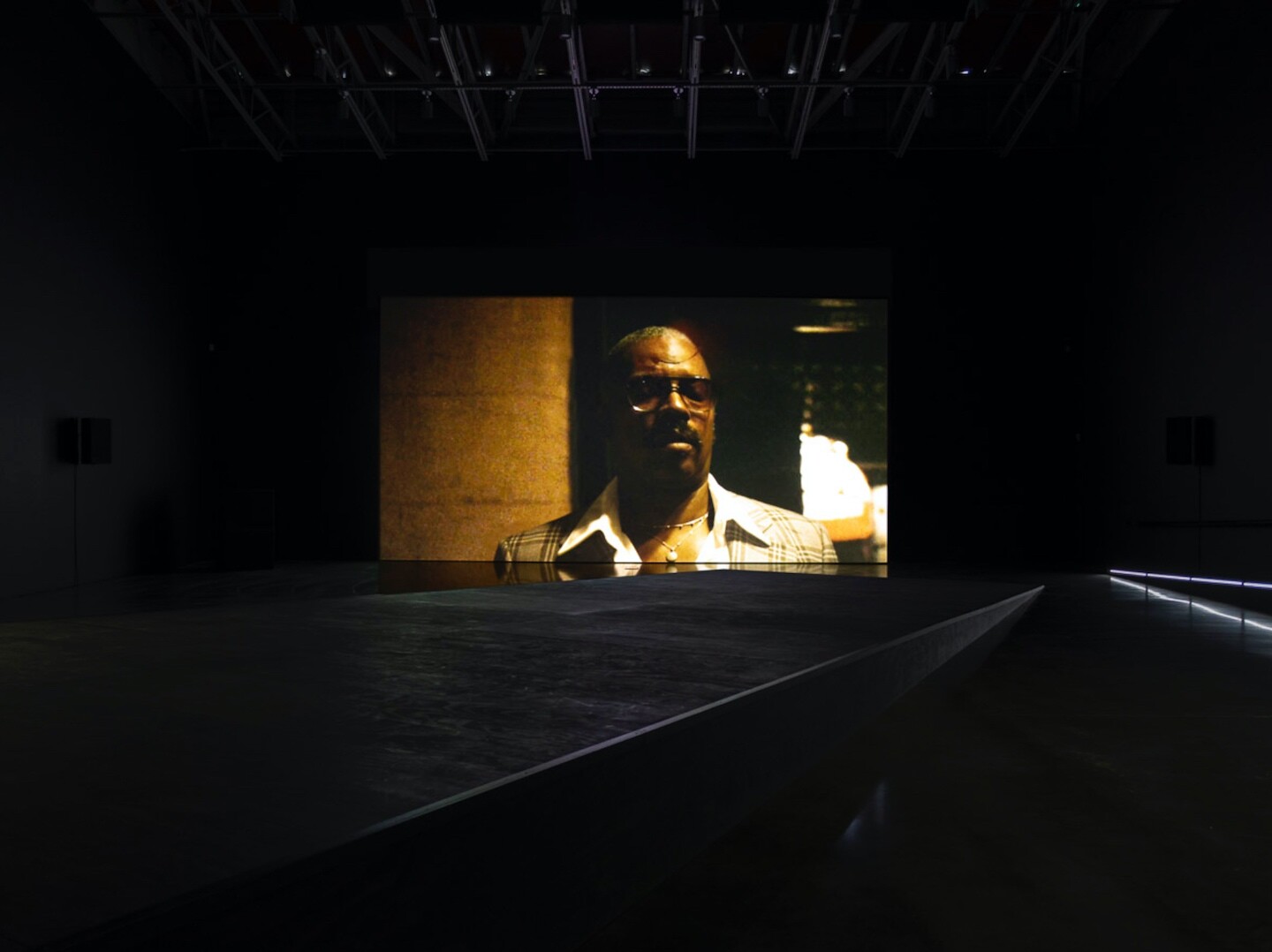

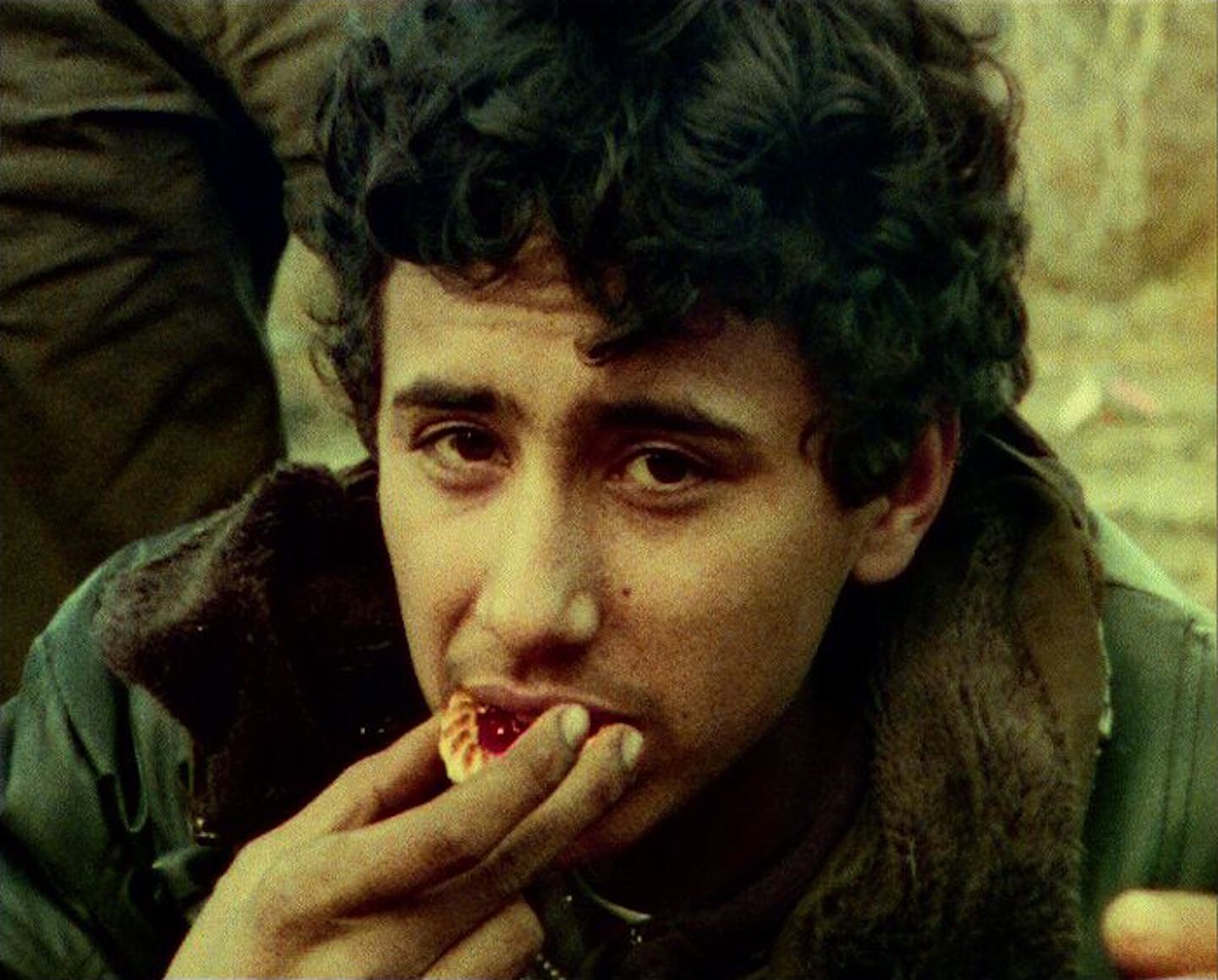
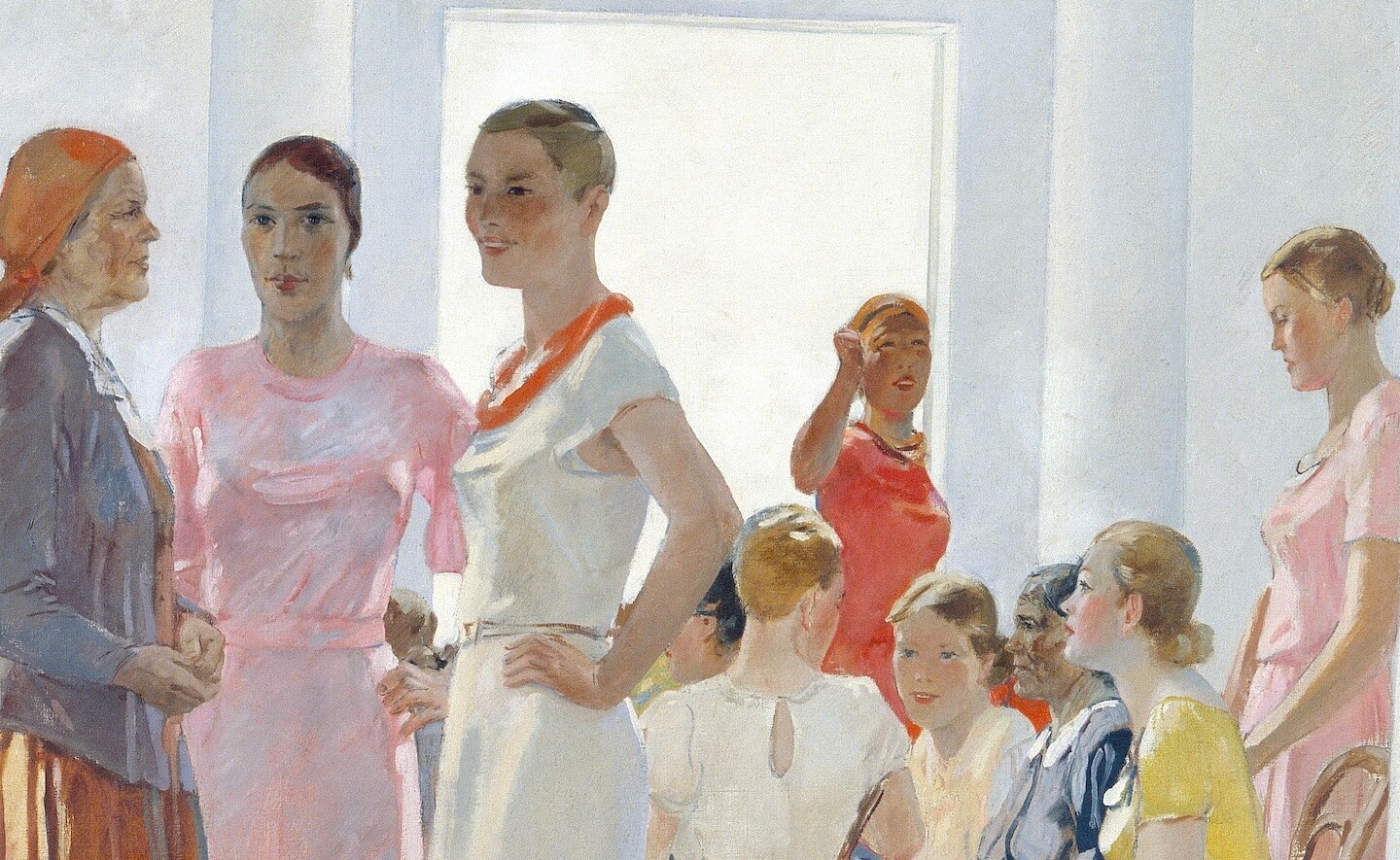
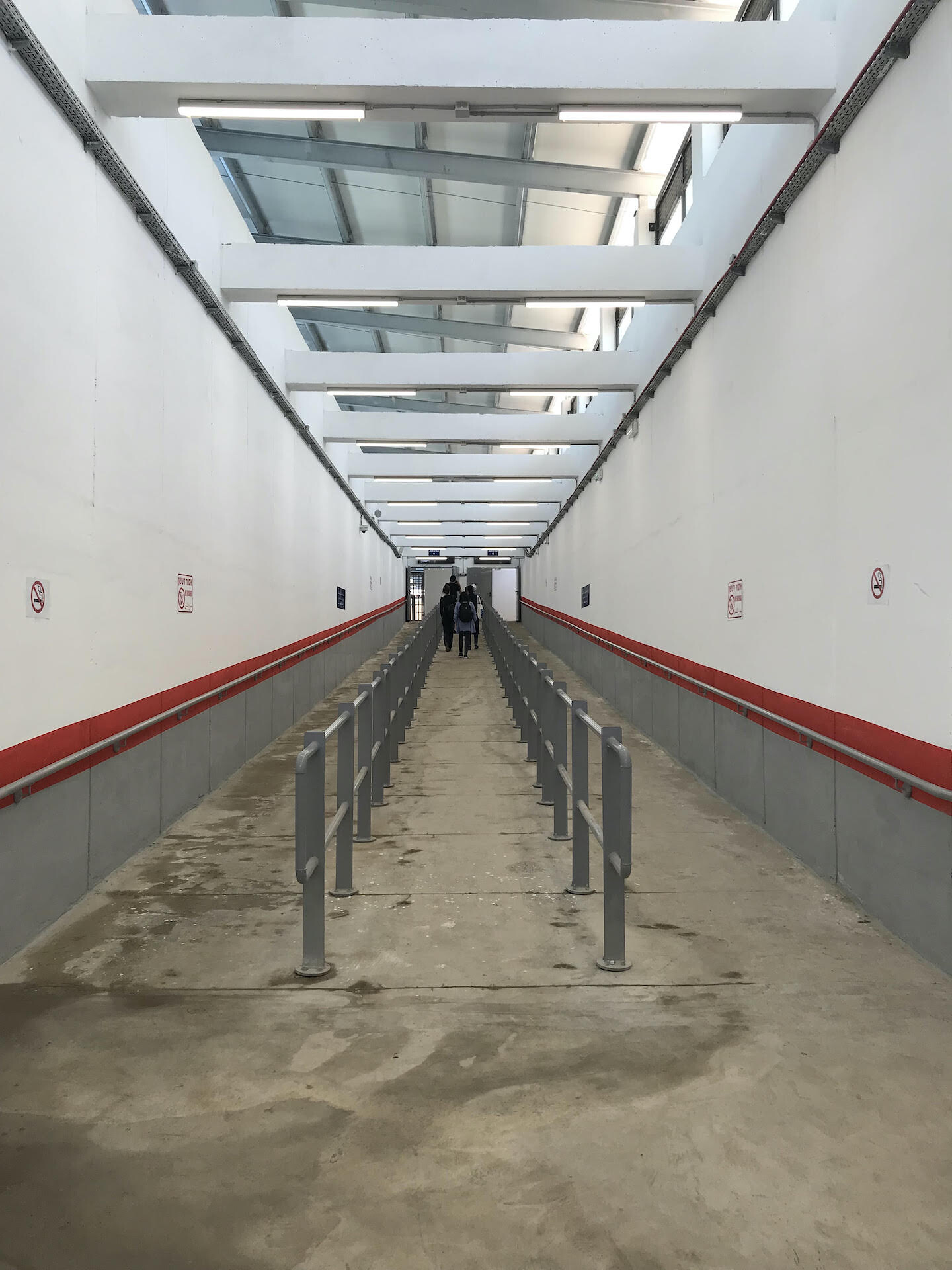
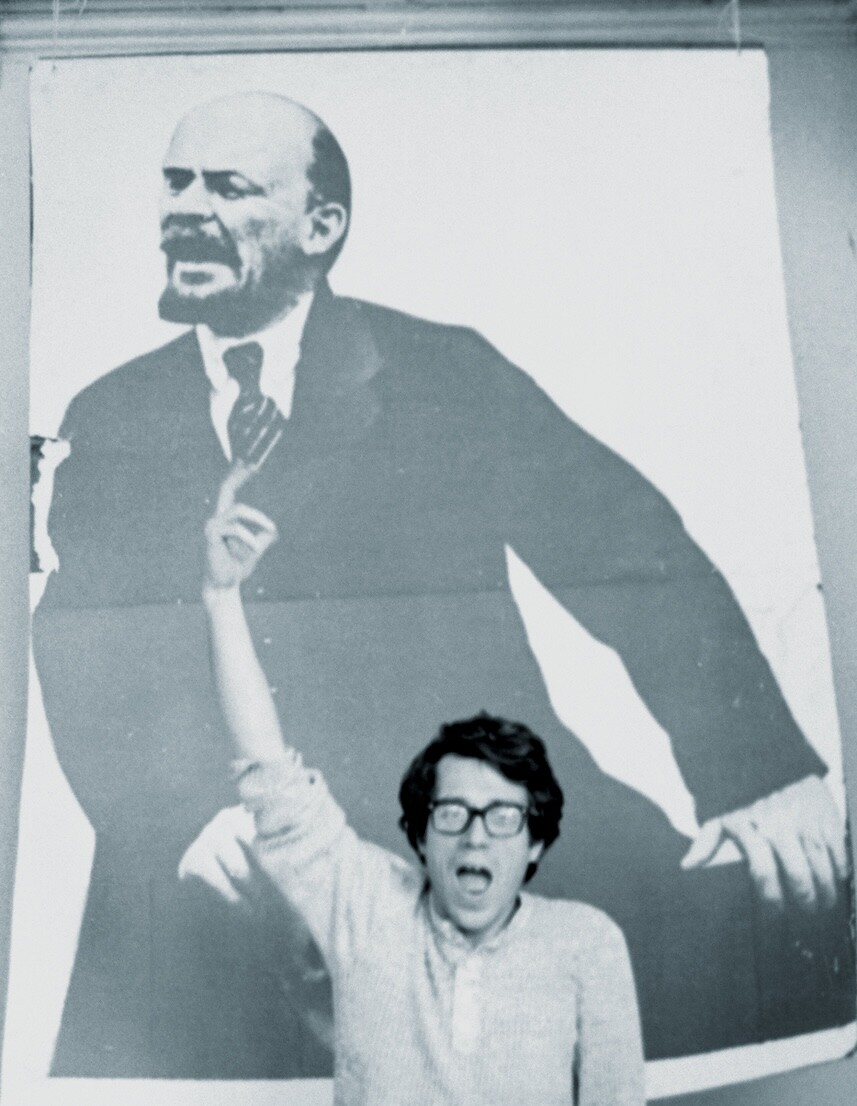
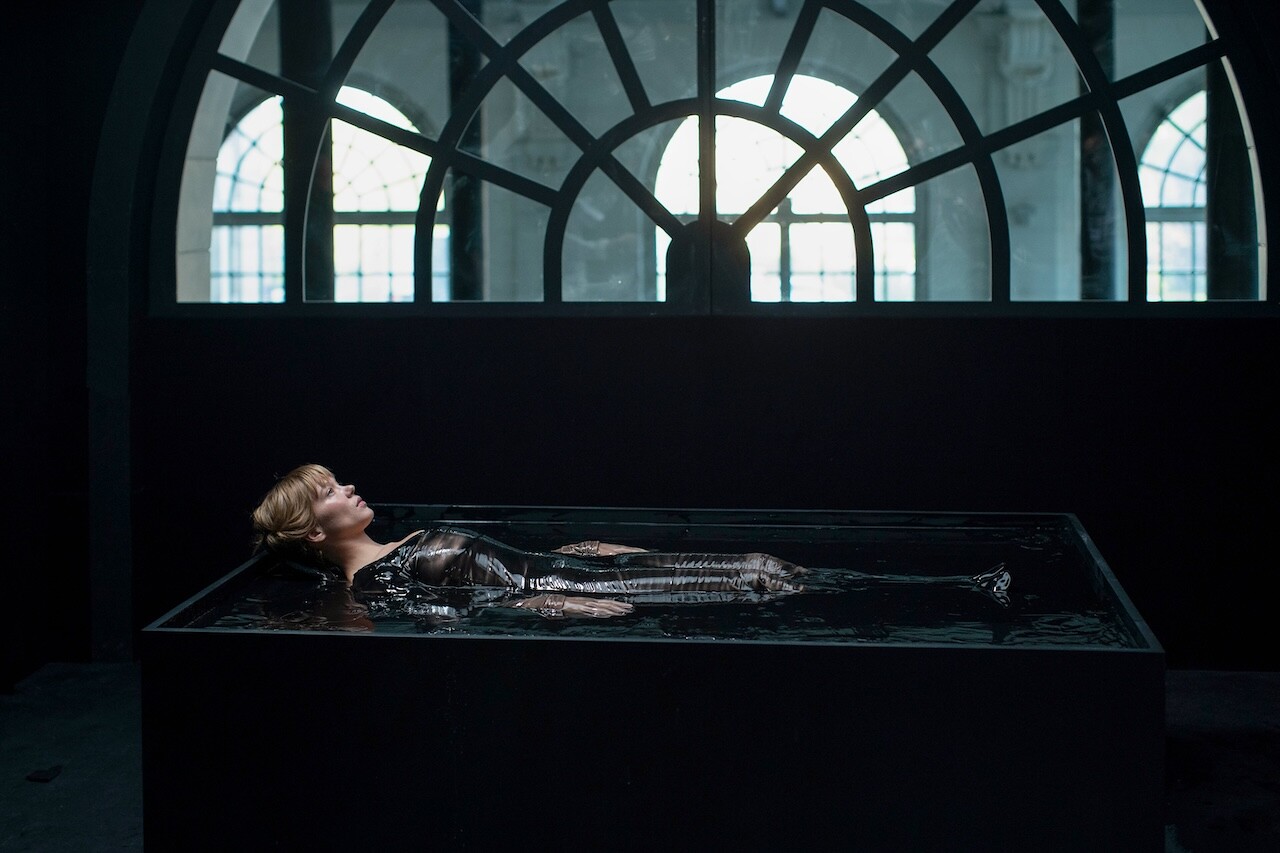
It is an honor to be nominated for the DAAD Artist residency, organized by the German Academic Exchange Service of which you are the director. Unfortunately, I must reject this nomination for several reasons.

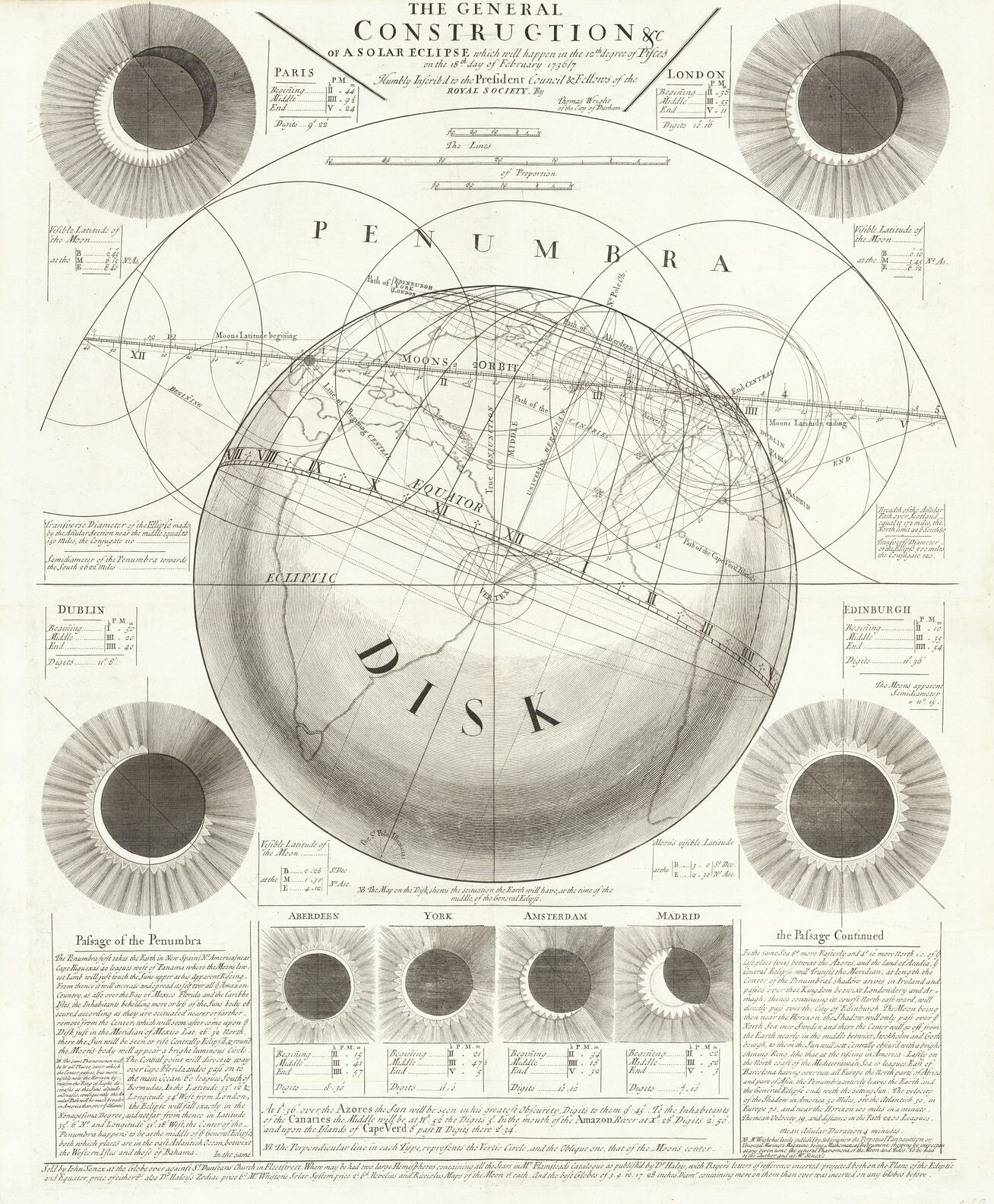

National Scrollathon




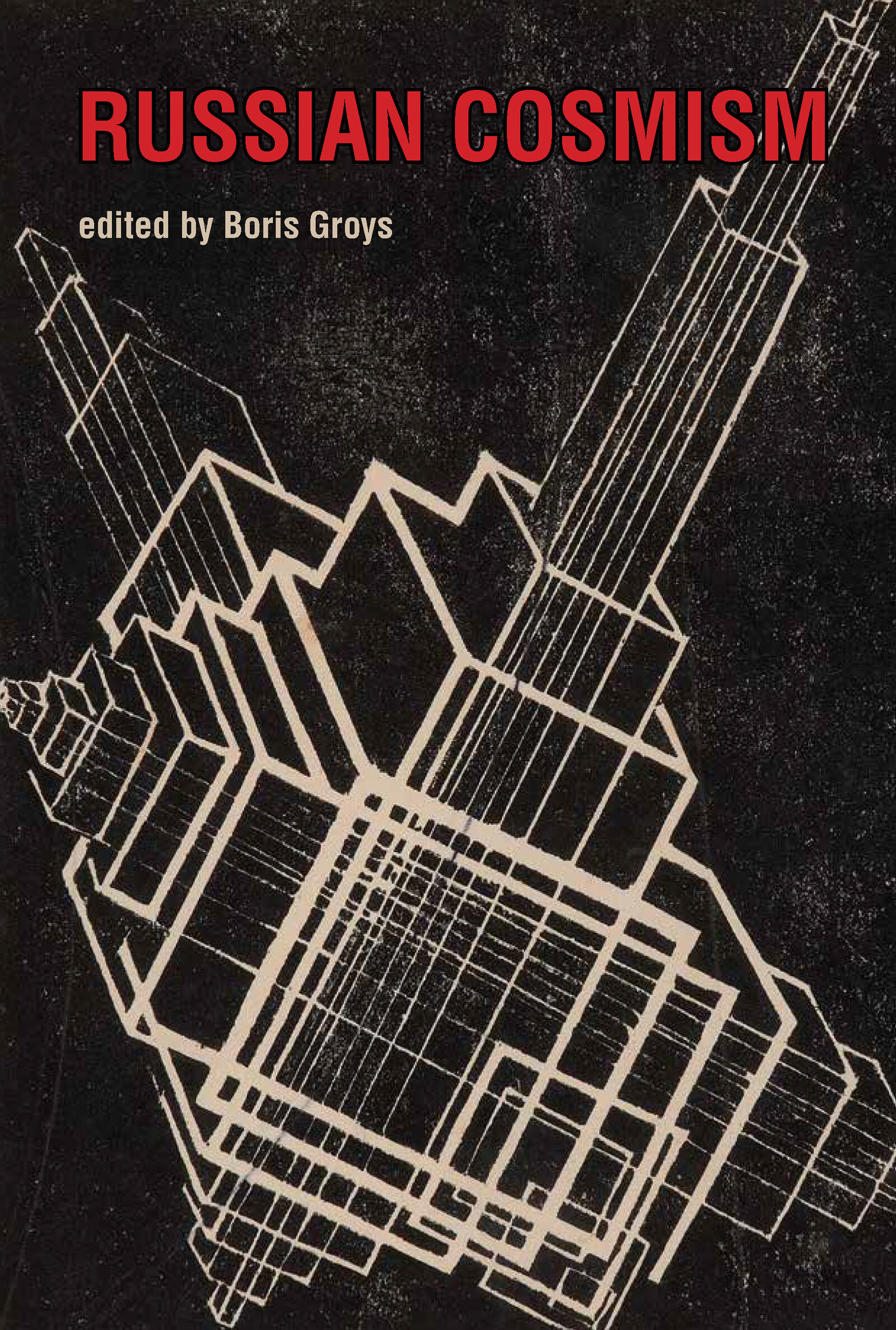
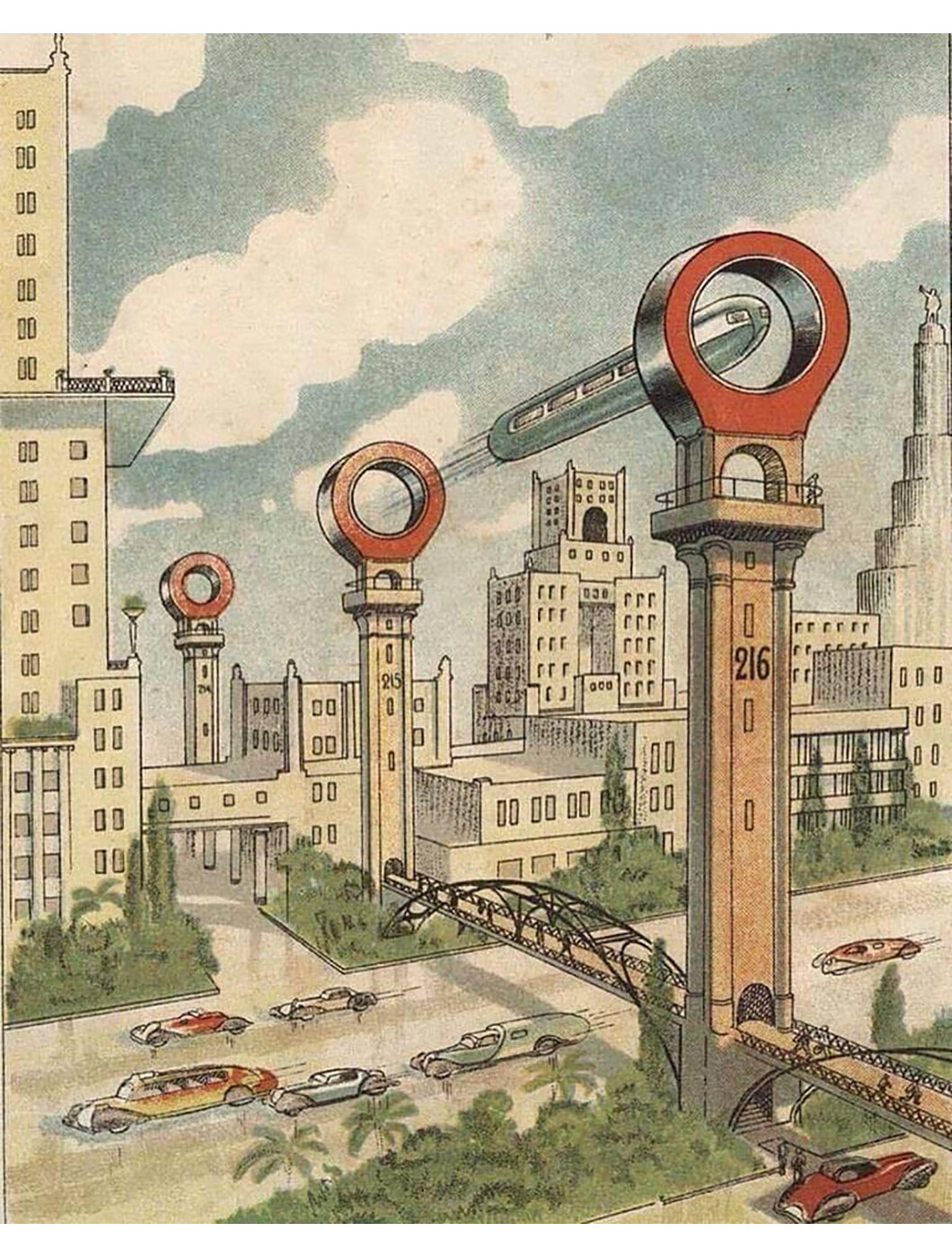
The Institute of the Cosmos is an ongoing collective research project founded in 2019. The Institute is a space for a creative investigation of the materiality of the cosmos and its strange universalism, from the perspectives of philosophy, anthropology, history of science, and art.